

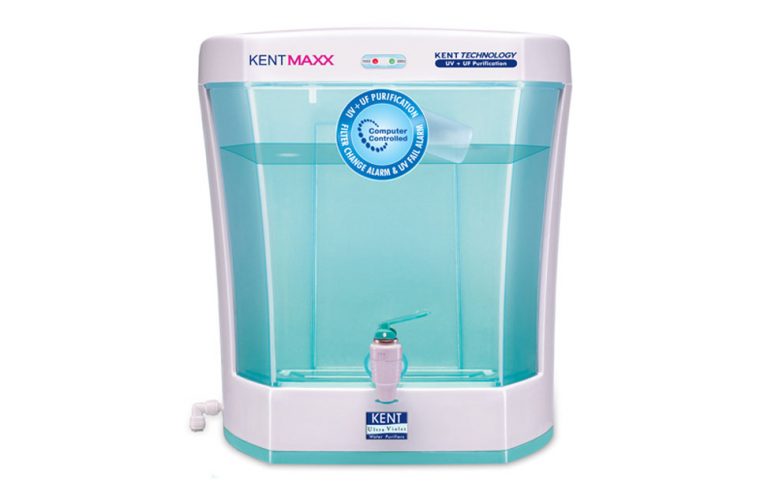
What is UV Purification?
UV purification uses ultraviolet light to disinfect water by deactivating the DNA of harmful microorganisms. It is a physical process that eliminates their ability to reproduce and cause infection, making the water safe for human consumption. Unlike chemical disinfectants such as chlorine, UV purification does not add any chemicals or alter the taste and odor of water.
How Does UV Purification Work?
The UV water purifier contains a chamber with a UV lamp that emits light at a specific wavelength (usually 254 nanometers). When water passes through this chamber, microorganisms are exposed to UV rays, which penetrate their cell walls and destroy their genetic material. This prevents them from multiplying, effectively neutralizing the threat.
Key Benefits of UV Water Purification
- Chemical-Free: UV purification does not involve harmful chemicals like chlorine, making it safe and eco-friendly.
- Effective Against Microorganisms: Eliminates 99.99% of bacteria, viruses, and protozoa present in water.
- Maintains Taste & Minerals: Unlike RO systems, UV purification does not remove essential minerals, and it keeps the natural taste of water intact.
- Low Maintenance: Only the UV lamp needs periodic replacement, making it cost-effective.
- Fast Disinfection: Purifies water instantly without the need for long storage or waiting periods.
Limitations of UV Purification
While UV purification is highly effective in killing microorganisms, it has certain limitations:
- It does not remove dissolved impurities such as heavy metals, salts, or chemicals.
- Water must be clear, as turbidity or suspended particles can block UV rays from reaching microorganisms.
- Requires electricity to operate, so it may not be suitable in areas with frequent power cuts.
Applications of UV Water Disinfection
UV purification is widely used not just in homes, but also in hospitals, laboratories, schools, industries, and commercial establishments where safe drinking water is essential. It is also employed in municipal water treatment plants as a safe and sustainable disinfection method.
Final Thoughts
The UV purification method is a reliable and environmentally friendly technology for water disinfection. It provides safe drinking water by neutralizing harmful microorganisms without adding chemicals or altering water quality. However, for areas with high TDS or chemical contamination, UV purification is often combined with other technologies like RO or activated carbon filters for complete protection. If you are looking for a healthy and cost-effective way to safeguard your family’s drinking water, UV purification is an excellent choice.
Frequently Asked Questions (FAQ)
No. UV purification only kills bacteria, viruses, and protozoa. It does not remove dissolved salts, chemicals, or heavy metals.
Yes. UV-treated water is safe to drink as microorganisms are deactivated without adding any harmful chemicals.
The UV lamp should typically be replaced once every 9 to 12 months for optimal performance.
No. UV purifiers require electricity to power the lamp, so they cannot function during power outages.


